
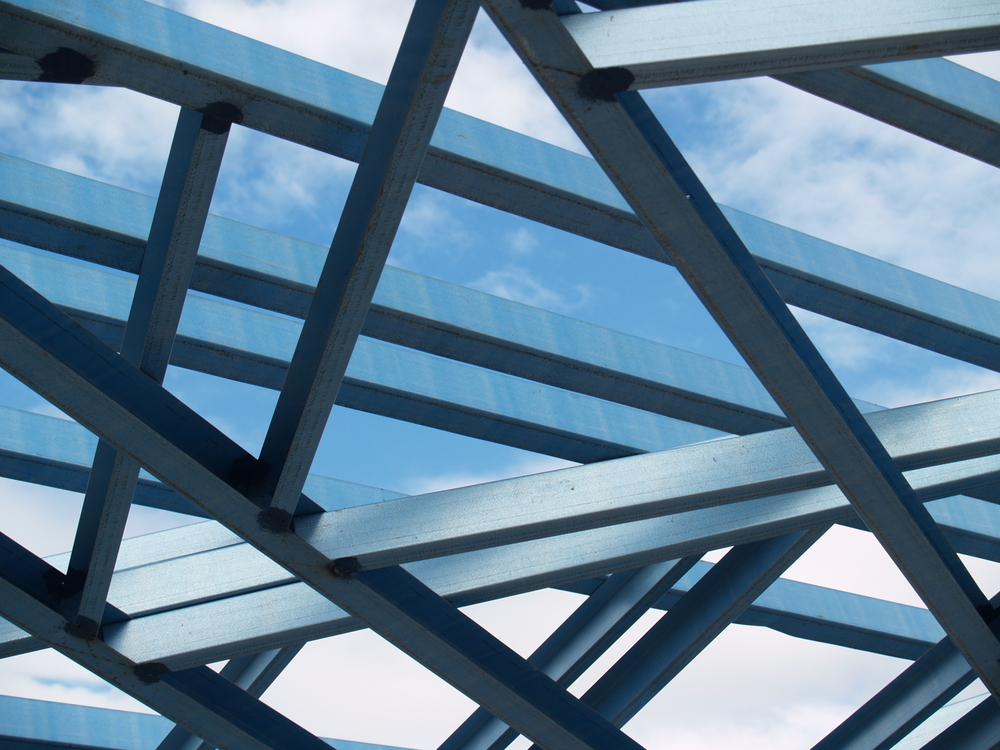
Lightweight Steel Design Without Compromising Strength
January 3, 2026 4:38 pm Leave your thoughtsLightweight steel design has become a defining approach in modern construction, balancing efficiency, performance, and resilience. As industries push for faster build times, lower material usage, and reduced environmental impact, engineers and architects increasingly rely on lightweight steel structures to meet these demands without sacrificing structural integrity. This evolution is not about using less strength but about using strength more intelligently. Through advanced engineering, precise manufacturing, and innovative design principles, lightweight steel has proven that reduced mass and high performance can coexist.
The Evolution of Lightweight Steel Design
The concept of lightweight steel design did not emerge overnight. It developed alongside advances in metallurgy, manufacturing technology, and structural analysis. Early steel structures prioritized mass and redundancy to ensure safety, often leading to overengineered systems. While effective, these approaches resulted in heavier buildings, higher transportation costs, and longer construction timelines.
As computational tools became more sophisticated, engineers gained the ability to model loads, stresses, and performance with remarkable accuracy. This allowed steel members to be optimized for specific functions rather than generalized strength. High strength steel alloys further accelerated this shift by providing greater load capacity with thinner profiles. The result was a new generation of lightweight steel structures that deliver equivalent or superior performance using less material.
Modern lightweight steel design is rooted in efficiency. Every beam, column, and connection is designed with a clear understanding of how forces flow through the structure. Instead of relying on excess material as a safety buffer, designers use data driven analysis to ensure each component contributes meaningfully to overall stability. This evolution has reshaped not only how steel buildings are engineered but also how they are fabricated and assembled.
Engineering Principles That Preserve Strength
Strength in lightweight steel structures is not a matter of thickness alone. It is the outcome of geometry, material properties, and load distribution working together. One of the most important principles is sectional efficiency. By shaping steel into forms such as hollow sections, tapered members, or cold formed profiles, engineers increase resistance to bending and buckling without adding unnecessary weight.
Another critical factor is load path optimization. Lightweight steel design focuses on ensuring that forces travel through the most direct and efficient routes to the foundation. When loads are transferred cleanly, stress concentrations are minimized, and the structure performs more predictably. This allows designers to reduce material where it is not structurally required while reinforcing critical zones where demand is higher.
Connections also play a major role in preserving strength. Precision engineered joints ensure that loads are transferred smoothly between members. Modern connection design uses high strength bolts, welds, and prefabricated connection systems that maintain rigidity while reducing on site complexity. These details are essential in lightweight steel structures because efficient members rely on equally efficient connections to perform as intended.
Material Innovation and Manufacturing Precision
Advancements in steel production have been fundamental to the success of lightweight steel design. High strength low alloy steels offer improved yield strength and ductility, allowing designers to specify thinner sections without compromising safety. These materials perform exceptionally well under both static and dynamic loads, making them suitable for a wide range of applications from residential buildings to industrial facilities.
Manufacturing precision has also transformed what is possible. Computer controlled fabrication ensures tight tolerances, consistent quality, and repeatable performance. When steel components are produced with such accuracy, designers can confidently reduce material margins because variability is minimized. This level of precision supports the broader goal of efficiency that defines lightweight steel structures.
Prefabrication further enhances the benefits of lightweight steel. Components are manufactured in controlled environments, reducing waste and improving quality control. Lighter elements are easier to transport and handle, which lowers logistical costs and improves site safety. The combination of innovative materials and precise manufacturing creates a system where strength is embedded in the design rather than added through excess mass.
Performance Benefits Across Applications
Lightweight steel structures offer performance advantages that extend beyond strength alone. Reduced weight translates directly into lower foundation loads, which can significantly reduce excavation and concrete requirements. This is particularly valuable in sites with poor soil conditions or tight urban constraints, where foundation costs often represent a large portion of the project budget.
Seismic and wind performance is another area where lightweight steel design excels. Lighter structures experience lower inertial forces during earthquakes, reducing stress on connections and foundations. Steel’s inherent ductility allows it to absorb and dissipate energy effectively, enhancing resilience during extreme events. In high wind regions, optimized steel profiles reduce drag while maintaining stiffness, resulting in stable and efficient buildings.
Speed of construction is also a major benefit. Lightweight steel components are easier to assemble, often requiring smaller cranes and less labor. Faster erection reduces project timelines and minimizes disruption to surrounding areas. These efficiencies make lightweight steel structures attractive for commercial developments, modular construction, and time sensitive projects where speed and reliability are critical.
Sustainability and the Future of Steel Construction
Sustainability has become a central driver of innovation in construction, and lightweight steel design aligns closely with these goals. Using less material reduces the embodied carbon of a structure, particularly when combined with recycled steel content. Steel is one of the most recyclable materials in the world, and lightweight systems amplify this advantage by requiring fewer resources from the outset.
Energy efficiency is another important consideration. Lightweight steel structures can be integrated with high performance building envelopes, allowing for better thermal control and reduced operational energy use. Precision fabrication supports tighter construction tolerances, which improves airtightness and overall building performance.
Looking ahead, the future of lightweight steel design will likely be shaped by further advances in digital design and automation. Parametric modeling, artificial intelligence, and advanced simulation tools will enable even more refined optimization. As these technologies mature, lightweight steel structures will continue to push the boundaries of what is possible, delivering stronger, smarter, and more sustainable buildings.
Conclusion
Lightweight steel design demonstrates that strength is not defined by mass but by intelligent engineering. Through optimized geometry, advanced materials, precise manufacturing, and thoughtful load management, lightweight steel structures achieve exceptional performance while using fewer resources. They offer tangible benefits in speed, resilience, and sustainability, making them a compelling choice for modern construction challenges. As technology and design methodologies continue to evolve, lightweight steel will remain at the forefront of efficient and resilient building solutions, proving that reducing weight does not mean compromising strength.
Need a Steel Construction Company in Terre Haute, IN?
Benchmark Fabricated Steel is a premium service provider for all your metal and steel needs since 1971. We offer an array of services and products for commercial, business, and corporation work. Our fully trained team is available for project design, erect drawings, site construction, product procurement and delivery, engineering and consulting, and much more. Benchmark Fabricated Steel is fully accredited by the AISC and the Canadian welding association allowing for the highest quality product to be produced. Our business is also recognized by the Chamber of Commerce and is a fully certified fabricator. All of our products are manufactured by the highest quality of equipment, with an expert and knowledgeable staff. Contact us today to learn more about what we can do for you!
Categorised in: Design-Build
This post was written by admin