When it comes to working safely and efficiently at height, few decisions carry more weight than selecting the right equipment. Whether you are managing a warehouse, outfitting a manufacturing floor, or organizing a multi-level storage facility, ladders for elevated platforms are a critical part of daily operations. The wrong choice can lead to accidents, inefficiencies, and costly liability. The right choice, on the other hand, supports productivity, meets safety codes, and keeps your team confident on the job. This guide walks through the key factors that should shape every platform ladder selection decision. The Different Types of Ladders for Elevated... View Article
The choice between carbon steel, stainless steel, and aluminum is often crucial to the performance, cost, and durability of a product. These three materials are commonly used in construction, automotive, aerospace, consumer goods, and countless industrial applications. Each metal brings its own unique set of characteristics to the table. Understanding how they differ in terms of composition, strength, corrosion resistance, and application is essential for making informed decisions in design and engineering. The Composition and Structure of Each Metal The first fundamental difference between carbon steel, stainless steel, and aluminum lies in their chemical composition. Carbon steel is primarily composed... View Article
Modern construction relies on a variety of structural systems to balance strength, efficiency, and design flexibility. One of the most effective approaches for ensuring reliable steel building load distribution is the use of flat plate concrete. This system eliminates the need for beams, transferring loads directly through columns and slabs, which makes it especially useful in high-rise buildings, commercial complexes, and industrial facilities. In steel buildings, the combination of steel framing and flat plate concrete creates a powerful synergy that enhances both load-bearing capacity and architectural versatility. Below, we explore how flat plate concrete functions, why it is increasingly favored... View Article
Standing seam steel roofs have become a favored choice for residential, commercial, and industrial applications due to their durability, sleek aesthetics, and impressive longevity. Unlike traditional roofing options, a standing seam steel roof features vertically oriented panels with raised seams that interlock, creating a secure and weather-resistant surface. For homeowners, architects, and contractors, it is essential to understand the key steel roof design considerations that can influence performance, appearance, and cost over the long term. Below, we will explore five important design aspects that play a vital role in selecting and installing a standing seam steel roof. Panel Profile and... View Article
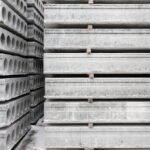
In the realm of modern construction and architectural innovation, materials that combine strength, durability, and efficiency have become increasingly sought after. One such material making waves in the industry is hollow core stainless steel planks. These planks are engineered to provide exceptional structural stability while remaining lightweight, making them a versatile option for various residential, commercial, and industrial applications. With growing demand for sustainable and cost-effective solutions, understanding the structural steel hollow core benefits is essential for architects, engineers, and property developers aiming to optimize performance without compromising safety. The Evolution of Hollow Core Stainless Steel Planks Hollow core stainless... View Article