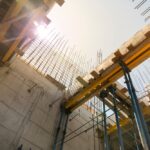
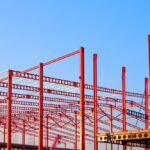
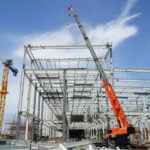
Structural steel construction has revolutionized the way modern buildings, bridges, and industrial facilities are designed and built. Known for its strength, durability, and adaptability, steel has become a fundamental material in the construction industry. However, for many people, especially those new to the field or considering projects involving steel, there are numerous questions about its processes, benefits, and challenges. This in-depth guide answers some of the most common questions about structural steel construction, providing clarity on essential concepts and practices. Whether you are a developer, architect, engineer, or simply curious, this resource will give you a thorough introduction to structural... View Article
Structural engineers and architects are constantly seeking innovative ways to reduce material costs without sacrificing performance. Among the various types of structural steel beams, castellated and cellular beams stand out for their unique construction and enhanced load-bearing capabilities. Though they may appear similar at first glance—both featuring perforations along their length—they serve different structural functions and come with distinct advantages and considerations. Understanding the difference between castellated vs cellular beams is vital for anyone involved in structural design, especially when efficiency, weight reduction, and load-bearing capacity are top priorities. The Origins and Construction of Castellated Beams Castellated beams are steel... View Article
In the structurally demanding world of retail and commercial construction, steel truss systems have emerged as the gold standard for framing and support. These systems provide an unmatched combination of strength, versatility, and cost efficiency, making them an ideal solution for businesses seeking reliable, scalable building frameworks. Whether constructing a large-scale shopping center or a mid-size office complex, the right commercial steel trusses can significantly influence the durability and design flexibility of a project. Let’s delve into what makes these systems the preferred choice for modern commercial architecture. Why Steel Truss Systems Are the Backbone of Modern Commercial Construction Steel... View Article
Architectural design often pushes the boundaries of innovation and aesthetic appeal. One of the materials that has gained increasing popularity in modern architecture is exposed structural steel. This versatile material, known for its strength and distinct visual appeal, is often used in buildings where structural elements are visible, rather than concealed. Exposed structural steel architecture creates an industrial aesthetic that speaks to the raw, unrefined beauty of modern buildings. In this blog, we will explore the key considerations architects must keep in mind when designing with architecturally-exposed structural steel, ensuring that the final product is both functional and visually striking.... View Article
Modern construction is characterized by its innovation and efficiency, and steel plays a pivotal role in this evolution. With its unparalleled strength, flexibility, and durability, steel has become a fundamental material in contemporary building practices. This article explores the essential role of steel in modern construction, highlighting its benefits and the impact it has on the industry. The Evolution of Steel in Construction Steel has been used in construction for more than a century, but its role has significantly evolved over time. Initially, steel was primarily used for structural supports in large-scale buildings and bridges. However, as construction technology advanced,... View Article